- Austin Social Impact News
- Posts
- Mobile Health Clinics Expand Care in Austin’s Underserved Neighborhoods
Mobile Health Clinics Expand Care in Austin’s Underserved Neighborhoods
Bringing primary care, dental, and mental health services directly to the community

Grateful Giving
November 24, 2025 • Estimated Reading Time: 3 minutes
Austin Social Impact News is produced by Grateful Giving, a 501(c)(3) nonprofit tech startup focused on transforming every purchase into a force for good.
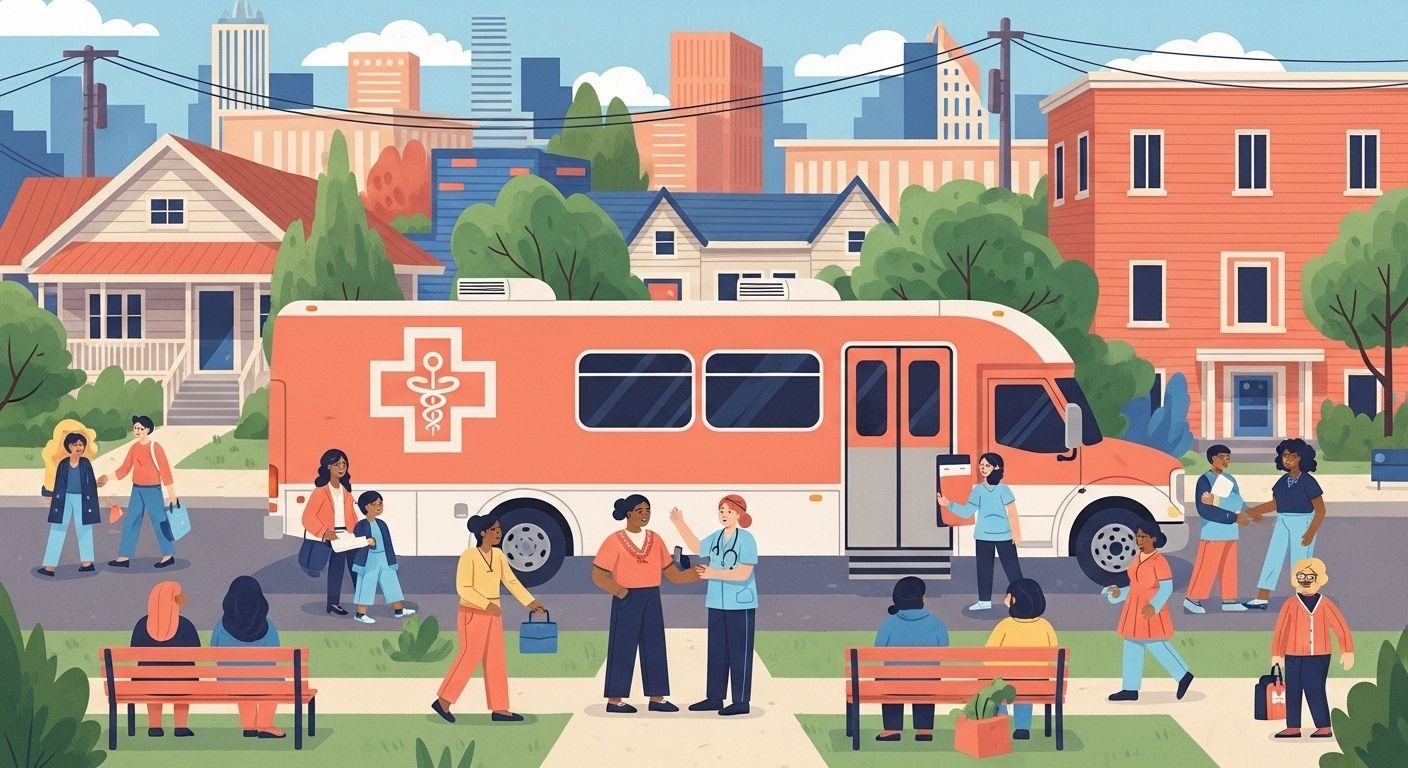
For many Austinites, access to healthcare isn’t just about cost—it’s about geography. If you live in a neighborhood without a nearby clinic, the distance to care can mean skipped appointments, untreated conditions, or reliance on emergency rooms. That’s why a growing coalition of nonprofits and health providers is betting on a different approach: mobile health clinics that bring services directly to underserved communities.
In recent months, Austin has seen an expansion of these “clinics on wheels,” offering everything from primary care checkups and vaccinations to dental screenings, chronic disease management, and even mental health counseling. Parked outside schools, community centers, and housing complexes, the units are designed to meet patients where they are.
Early results suggest these clinics are making a tangible impact. Providers report that many patients hadn’t seen a doctor in years before stepping onto a mobile unit. For families without reliable transportation—or those juggling multiple jobs—the ability to walk down the street for care is transformational.
The model also has strong economic logic. Preventive screenings and chronic care cost far less than emergency room visits, which often become the default when no other care is available. By catching conditions like diabetes or hypertension earlier, mobile clinics help reduce long-term public health costs while improving quality of life.
Of course, challenges remain. Operating mobile units requires sustainable funding, skilled staff, and constant coordination with community partners. Vehicles themselves demand maintenance and specialized equipment. But advocates argue that these investments pay for themselves in healthier communities and reduced strain on hospitals.
This expansion is part of Austin’s broader health equity push—acknowledging that ZIP code and income too often determine health outcomes. By embedding services in neighborhoods, leaders hope to close those gaps.
One provider summed it up simply:
“Healthcare shouldn’t depend on a bus schedule. If people can’t get to us, we’ll get to them.”
For residents who step aboard these rolling clinics, that promise means a healthier, more stable future.
Every Swipe, Every Purchase, Every Dollar—Making the World Better
Imagine if every transaction you made included just 1/2% for good—you could help solve world hunger in a day.
Be part of this incredible change, turning everyday spending into hope and making a difference that truly matters by setting up micro-donations in Grateful Giving at app.gratefulgiving.org.

Reader Survey: What would you like to see more of in future issues of Social Impact News? |